
Young plant production
The 2026 young plant Season – Key Dos and Don’ts

Not every growing season is the same as the previous year’s. Every year brings new challenges that may not have played a role, or only a minor one, in other years. Markus Kobelt once admitted that, even at Lubera’s two production sites, almost all the mistakes we describe below have been made at some point. Which is not to say that they should be repeated all too often.😉
Read moreChallenges in Organic Young Plant Production – A Review of the 2026 Season
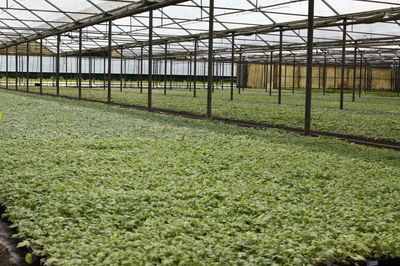
Every young plant season is different. Weather conditions, light levels and temperature influence plant growth in new ways every year. In organic young plant production in particular, this requires continuous adjustment of cultivation practices, irrigation, fertilisation and plant health management.
The 2026 season also brought new challenges. In this review, we highlight the experiences we have gained and the insights that can be drawn from them for pot and container plant production. This...
Read moreIn vitro propagation as a modern solution in young plant production
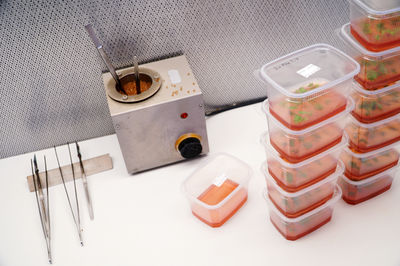
In vitro propagation is a regular topic of discussion in horticulture. Whilst it is an important component of reliable, high-quality young plant production for many businesses, others view it rather critically. Particularly in the organic sector and in European fruit growing, there are recurring reservations about this propagation method.
A closer look, however, reveals that in vitro propagation cannot be assessed in general terms. As with any propagation method, the results depend on the...
Read moreOrder times, delivery windows & young plant qualities – How to plan your season perfectly

If you have ever wondered when exactly we deliver which young plants in which qualities, then you have come to the right place. This article addresses the most frequently asked questions from our customers:
- What young plant qualities are available at Lubera Edibles?
- When will what be delivered?
- And: When is the best time to place an order?
Read on and benefit from a clear overview – for better planning, more efficient production and more successful crops.
Read moreWhat we do: the latest on propagation
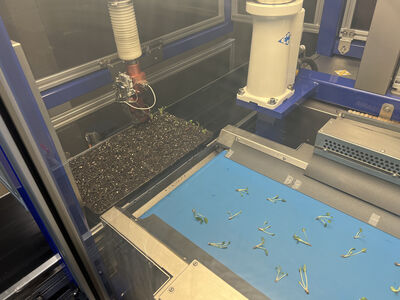
Perhaps you also wonder from time to time what exactly the people at Lubera Edibles do every day. Do they do anything with in vitro propagation? But do they also sow seeds, take cuttings and wood cuttings? The short answer is yes, but...
In vitro propagation is still the main tool for propagating high-quality young plants. Why and what exactly we do will be explained below.
Read moreStrawberry young plants in many extraordinary varieties - exclusively at Lubera Edibles®
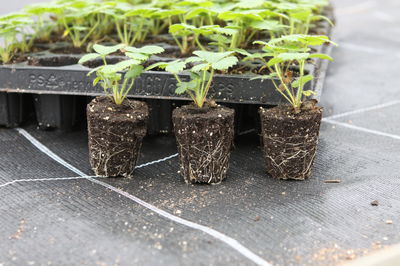
Strawberry young plants - this WAS a gaping hole in our berry young plant range. Historically, strawberry plants have mostly been produced by specialist growers (usually from commercial farming). But our aim is to enable many more growers to produce their own strawberry plants to complement their edibles (vegetables, fruit, other berries) by providing the right quality of young plants. And at the same time, of course, we would like to offer varieties that meet the special needs of home garden...
Read more
Tree kale young plants – the assortment and production
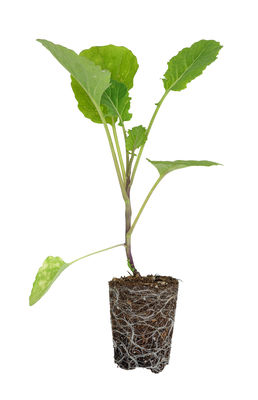
The production of ready-to-sell tree kale plants from the young plants at Lubera Edibles is anything but difficult; you can get tree kale ready for sale or trade in a short time. The strong growth character of tree kale alone ensures that our tree kale young plants develop splendidly shortly after potting and you will have plants ready for sale after about six weeks, especially at cooler production temperatures.
Read moreOca varieties and oca breeding at Lubera Edibles
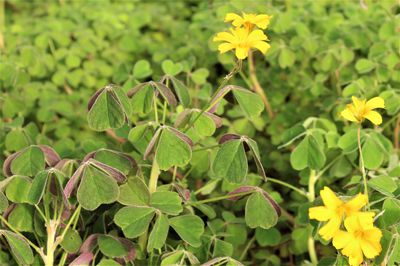
In two separate articles we have presented the new tuberous vegetable species Oca (Oxalis tuberosa) and also the production of young plants for retailers. Here now we will portray the three current varieties in the Lubera Edibles young plant range for professional growers. As with potato and also sweet potato, our sister company Lubera AG is active in the development of new varieties.
Read moreThe production of oca young plants for retailers
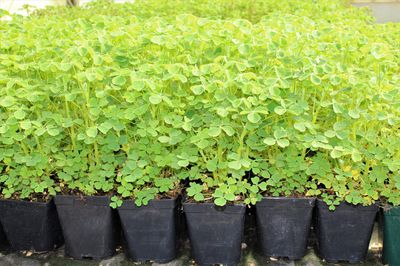
In previous articles we have already described our new tuberous vegetable oca (Oxalis tuberosa) in more detail and also presented our assortment of oca young plants as well as described how our assortment will develop in the future. In this article we would now like to introduce you to our oca young plant quality and show you how you can produce a saleable/tradable plant from this oca young plant.
Read more