
Oca (Oxalis tuberosa)
The vegetable breeding of Lubera

In addition to fruit and berries, we are expanding our vegetable range to become the third pillar of the Lubera Edibles young plant programme. This step is only logical: if our love for young plants literally goes through the stomach, then vegetables are naturally part of that. In addition, interest in growing your own high-quality vegetables in the garden or on the balcony is growing steadily – and this is exactly where our breeding work comes in.
Read moreVegetable young plants from Lubera Edibles – More than just edible: an assortment that inspires
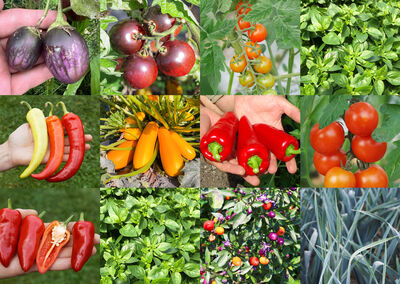
Do you only know us as specialists in softfruit young plants? Then we have a surprise for you. Because Lubera Edibles stands – as the name suggests – for everything that is delicious to eat. And that no longer includes just fruit and berries. With our innovative assortment of vegetable young plants, we are taking the next logical step – surprising, diverse and perfectly tailored to the home garden.
Read moreThe new market for premium vegetable plants
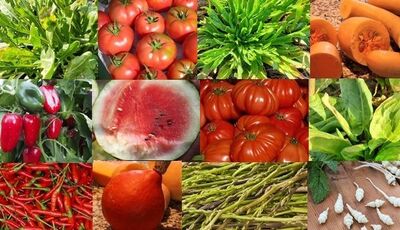
Lubera.com, the online store of our sister company, has been selling premium vegetable plants for several years. These are grown in 1.3-litre square pots, packaged with care and then reliably shipped to customers. The price for most plants is currently around EUR 5.50, with a price increase of 10% planned for 2025. But how big is this market? What are Lubera's experiences in general? We are not initially discussing which companies could produce these young plants and where they are sold, we...
Read moreOca varieties and oca breeding at Lubera Edibles
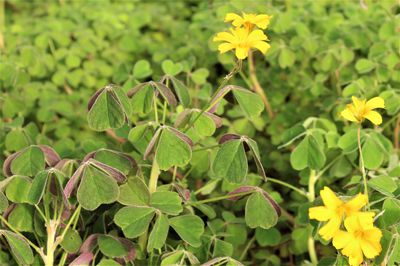
In two separate articles we have presented the new tuberous vegetable species Oca (Oxalis tuberosa) and also the production of young plants for retailers. Here now we will portray the three current varieties in the Lubera Edibles young plant range for professional growers. As with potato and also sweet potato, our sister company Lubera AG is active in the development of new varieties.
Read moreThe production of oca young plants for retailers
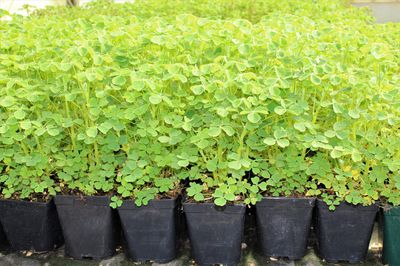
In previous articles we have already described our new tuberous vegetable oca (Oxalis tuberosa) in more detail and also presented our assortment of oca young plants as well as described how our assortment will develop in the future. In this article we would now like to introduce you to our oca young plant quality and show you how you can produce a saleable/tradable plant from this oca young plant.
Read moreOca tubers (Oxalis tuberosa) – a plant portrait of the colourful Andean tubers
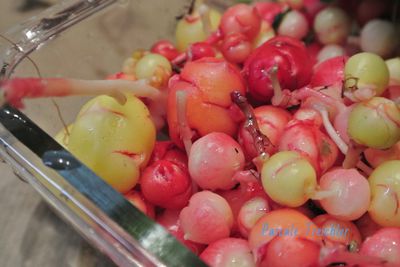
With our oca young plants (Oxalis tuberosa) we offer a new, but nevertheless also old vegetable plant. The colourful tubers enrich our diets not only in terms of appearance, but also the taste of these vibrant tubers has a lot to offer. Oca has always been cultivated for its bright-coloured, edible tubers. However, both the leaves and the shoots can also be eaten. In this article, you will learn how this vegetable from the highlands of South America can enrich our gardens and our diet in many...
Read moreThe exclusive Lubera Edibles assortment poster – all 'edible' young plants at a glance
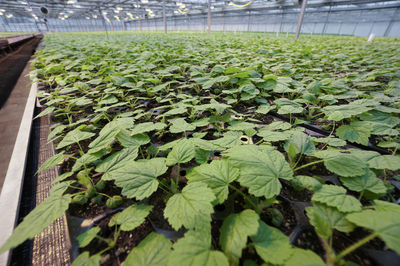
As in so many industries and areas of everyday life, the trend is moving towards more online-based advertising and paperless communication. However, at the moment, we do not want to do without print media entirely. Last autumn, for example, we were already able to present our current young plant catalogue for 2020. Many of you have already received the printed version and at the same time our young plant catalogue is also available at luberaedibles.com in the download area.
Read moreBreeding and selection of vegetables
In this video Markus Kobelt MD of 'Lubera' who together with Rupert Mayer MD of 'Mayer', is the founder of the young plant producers of the brand new 'Lubera Edibles', explains all about vegetable breeding, using potatoes as an example.
'Lubera Edibles' is the young plant division of Lubera, it provides a large selection of delicious fruit varieties to growers. The companies of Robert Mayer and Lubera have joined forces to produce these young plants through the breeding of new edible varieties at...
Read more